Ai Literacy for students
AI Literacy for Students: A Beginner's Guide

What is AI Literacy?
Artificial Intelligence (AI) has become a significant part of our lives, influencing how we work, learn, and interact with technology. As a result, understanding AI—or AI literacy—has become an essential skill for students. AI literacy involves learning what AI is, how it functions, and how it impacts society. It empowers students to critically analyze information, engage responsibly with AI-powered tools, and understand ethical concerns like bias, privacy, and misinformation. By acquiring these skills, students can make informed decisions, use AI effectively, and prepare for careers in a world increasingly shaped by technology.
Why is AI Literacy Important for Students?
AI is a major part of daily life, and students with AI literacy are better prepared to navigate its influence. They can critically analyze information, understand the benefits and risks of AI, and use it responsibly for learning and creativity. Furthermore, AI literacy encourages problem-solving and prepares students for future careers in a technology-driven world. It also fosters ethical awareness about concerns like privacy, fairness, and misinformation.

Approaches to Teaching AI Literacy
Teaching AI doesn’t need to be complicated. Teachers can incorporate hands-on activities where students explore tools like chatbots and recommendation systems to see how AI works in action. Discussing real-world examples, such as AI in healthcare or entertainment, helps students connect concepts to everyday life. Ethical debates on topics like bias and fairness encourage critical thinking, while creative projects, such as designing AI-powered inventions or imagining future AI applications, inspire curiosity.
Using Visual Aids to Teach AI Concepts
Visuals play a key role in simplifying AI for students. Flowcharts and diagrams can demonstrate processes like how AI learns and makes decisions. Everyday scenarios, such as using AI for voice assistance or navigation, make concepts relatable. Challenges like bias in AI systems can be illustrated to highlight ethical concerns, while interactive elements like labeled diagrams engage students and deepen understanding.
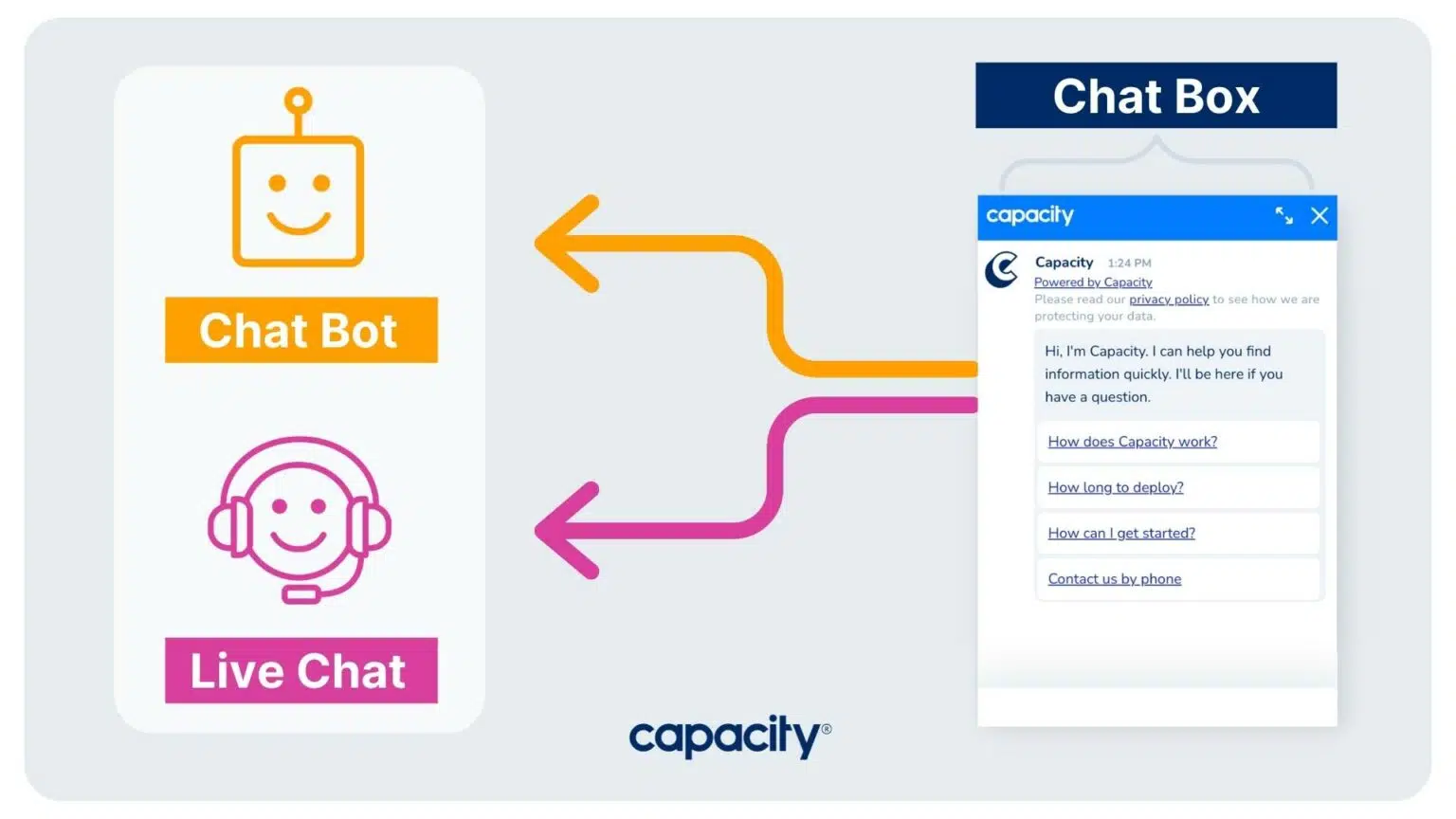
Everyday Scenarios: Illustrate how AI impacts daily life, such as using a map app to find the fastest route home or an AI assistant turning on smart


Interactive Elements: Add elements students can interact with, such as labeled diagrams or questions that encourage critical thinking.

Preparing Students for an AI-Driven Future
AI literacy isn’t just about understanding technology—it’s about empowering students to navigate a digital world thoughtfully and responsibly. Through hands-on activities and effective visual aids, educators can make AI concepts engaging and accessible. By fostering critical thinking and ethical awareness, teachers prepare students to thrive in a future shaped by AI innovations.
Conclusion
AI literacy isn’t just about understanding technology – it’s about empowering students to navigate the digital world responsibly and thoughtfully. By integrating AI literacy into classrooms, teachers can prepare students to thrive in a world shaped by AI.
Together, let’s make learning about AI a fun and inspiring journey for students!
References: https://images.app.goo.gl/jU1QyxT3dkxpLUvd7
https://images.app.goo.gl/4FU661cNQLdNrDTF
https://images.app.goo.gl/QGhH4sJVw31JBfHF69


Comments
Post a Comment